Advanced Driveway Solutions

How to Repair Cracks in Concrete Driveway?

How to repair cracks in concrete driveway

Concrete driveways are known for their strength and durability, but over time, cracks can develop due to weather changes, ground movement, poor installation, or natural aging. These cracks, if left untreated, can lead to further damage and reduce the overall life and appearance of your driveway. This detailed article will guide you on how to repair cracks in concrete driveway surfaces effectively. Whether you’re dealing with hairline cracks or larger gaps, this natural and practical guide will help you restore your driveway’s condition. Why Do Concrete Driveways Crack? Before diving into the repair process, it’s important to understand why cracks appear in the first place. Some common causes include: Freeze-thaw cycles that cause expansion and contraction Heavy loads or repeated traffic over time Soil settlement or poor base compaction Improper curing during the original installation Tree root growth under the surface Identifying the root cause helps determine the best repair method and prevents future issues. Types of Cracks and How to Identify Them Understanding the type of crack in your driveway helps determine how serious it is and what materials you’ll need to fix it. Crack Type Description Suggested Repair Method Hairline Cracks Thin, surface-level cracks Fill with liquid crack filler Shrinkage Cracks Small gaps due to curing and drying Flexible crack sealant or patching compound Expansion Cracks Caused by temperature changes Expansion joint sealants Structural Cracks Deep and wide, sometimes uneven surfaces Professional assessment and full repair Edge Cracks Cracks along the edges of the driveway Reinforce with patching and edge protection Tools and Materials You’ll Need Before starting your repair, gather the right tools and products: Concrete crack filler or repair caulk Chisel and hammer Wire brush Pressure washer or hose Trowel or putty knife Concrete bonding adhesive Protective gloves and safety glasses Step-by-Step: How to Repair Cracks in a Concrete Driveway Step 1: Clean the Area Begin by cleaning out the crack. Use a wire brush to remove any loose concrete or debris, and rinse with water. Let the crack dry completely before applying any filler. Step 2: Prepare the Crack For deeper or wider cracks, use a chisel and hammer to slightly widen the bottom of the crack. This helps create a V-shape that holds filler material more securely. Vacuum out dust or wash the crack again if needed. Step 3: Apply Concrete Bonding Adhesive If your repair product requires it, apply a bonding adhesive to the crack using a brush. This helps the new material adhere properly to the old concrete. Step 4: Fill the Crack Apply your chosen crack filler or patching compound according to the manufacturer’s instructions. For smaller cracks, a liquid crack filler or sealant will do. For larger cracks, use a concrete patching mix and smooth it with a trowel or putty knife. Step 5: Smooth and Level the Surface Once filled, smooth the surface to match the surrounding driveway. Feather the edges with a trowel so the patch blends in naturally. Let it set as directed. Step 6: Let It Cure Curing times can vary from a few hours to several days depending on the material used and weather conditions. Avoid walking or driving over the area until it’s fully cured. Step 7: Apply a Sealant (Optional but Recommended) Once your repair is complete and dry, consider applying a concrete sealant over the entire driveway. This protects it from future water infiltration and surface wear. Maintenance Tips to Prevent Future Cracks Seal your driveway every 2–3 years Keep heavy vehicles off weak areas Remove standing water promptly Fix small cracks as soon as they appear Trim nearby tree roots if they’re causing lifting Regular maintenance is key to avoiding costly repairs in the future. Frequently Asked Questions Q1: Can I repair cracks in my concrete driveway myself? Yes, most minor cracks can be repaired with basic tools and store-bought fillers. For major structural cracks, professional help is recommended. Q2: How do I know if a crack is serious? Cracks wider than 1/4 inch, those that shift when stepped on, or that appear uneven, may indicate structural issues and should be inspected. Q3: Is it necessary to seal a repaired crack? Yes, sealing helps protect the repair from moisture, dirt, and further cracking. Q4: Will patching a crack be visible? Small cracks can be blended in well. Larger repairs may be noticeable but sealing the entire surface can help make the finish uniform. Q5: How long will the repair last? With proper materials and care, crack repairs can last for several years, especially if the driveway is regularly maintained. Conclusion Knowing how to repair cracks in concrete driveway surfaces is essential for preserving your property’s appearance and preventing long-term damage. Most small to medium cracks are simple to fix with the right preparation and tools. Timely repairs save money and maintain the safety and value of your driveway. For larger cracks or recurring issues, it’s best to consult a professional to evaluate the underlying problem. Ready to Repair or Upgrade Your Driveway? Contact Advanced Driveway Solutions today for expert concrete driveway repair services. We offer fast, reliable, and lasting solutions for all types of driveway cracks.

Permeable Driveway Options | A Complete Guide for Sustainable Surfaces

Permeable driveway options are becoming increasingly popular across the UK for homeowners seeking sustainable, eco-friendly, and practical alternatives to traditional concrete or tarmac surfaces. These driveways not only reduce surface water runoff but also offer stylish design choices and long-lasting functionality. In this article, we’ll explore different types of permeable driveway options, their benefits, installation insights, and maintenance tips all to help you make an informed decision for your home. What Is a Permeable Driveway? A permeable driveway is designed to allow water to drain through its surface into the ground below rather than running off into street drains. This drainage capability helps prevent flooding, reduces pressure on drainage systems, and supports local groundwater levels. These driveways are particularly useful in areas with heavy rainfall or strict planning regulations related to surface water control. Why Choose a Permeable Driveway? There are several practical and environmental benefits of choosing permeable driveway options: Reduces Flooding: Allows rainwater to soak into the ground naturally. Complies with Planning Rules: Many UK planning regulations favour permeable surfaces to manage drainage. Prevents Water Pooling: No more puddles or icy patches forming in winter. Environmentally Friendly: Helps recharge groundwater and supports urban drainage systems. Low Maintenance: Most options are durable and easy to maintain with minimal upkeep. Popular Permeable Driveway Options There are several permeable driveway materials to choose from, each offering a unique balance of style, function, and maintenance. Here’s a comparison table to help you understand your choices: Driveway Type Material Composition Permeability Level Aesthetic Appeal Maintenance Needed Gravel Driveway Loose gravel over a permeable base High Natural look Occasional raking Permeable Block Paving Specially designed gaps in blocks Medium-High Modern, neat Weed removal & brushing Resin-Bound Driveway Resin mixed with aggregates High Smooth, customisable Low Grass Reinforcement Grids Plastic or concrete grids filled with soil and grass Medium Green, natural Mowing, trimming Porous Asphalt or Tarmac Modified with voids for drainage Medium Traditional look Occasional cleaning Installation Considerations Proper installation is key for any permeable driveway to function efficiently. Here are a few important points to keep in mind: Base Preparation: A well-prepared sub-base of crushed stone or aggregate ensures effective water drainage. Level and Gradient: The driveway must be graded correctly to guide excess water flow. Drainage Layer: Some materials may require an additional filtration layer beneath to help with water distribution. Professional Installation: While some options, like gravel, are DIY-friendly, others, like resin or permeable paving blocks, require professional expertise. Maintenance Tips for Permeable Driveways Although permeable driveways are low maintenance, regular care will extend their lifespan and appearance: Keep surfaces clean from leaves and debris to avoid clogging the pores. Inspect drainage performance after heavy rain to ensure there is no water pooling. Use a pressure washer or stiff brush (if applicable) for deep cleaning. Refill joints or gaps in block paving as needed. Rake and level gravel every few months. Frequently Asked Questions Q1: Do I need planning permission for a permeable driveway?Generally, you don’t need planning permission for a permeable driveway as long as it allows water to drain naturally. However, it’s always best to check with your local authority. Q2: Are permeable driveways more expensive than traditional ones?The initial cost may be slightly higher depending on the material, but they often save money in the long run by reducing drainage issues and maintenance. Q3: Will weeds grow through a permeable driveway?Some permeable driveways, especially gravel, may require occasional weed removal. Weed barriers or sealants can help minimize this. Q4: Which permeable option is best for low maintenance?Resin-bound driveways are among the lowest maintenance options due to their smooth surface and resistance to weed growth. Q5: Can I drive heavy vehicles on a permeable driveway?Yes, most permeable driveways are built to withstand vehicle weight if installed properly with the right base. Conclusion Choosing the right permeable driveway option for your home is a smart, environmentally responsible decision. Whether you prefer the natural charm of gravel, the modern look of resin, or the green appeal of grass grids, there’s a solution to match your style and budget. These driveways reduce water runoff, support local drainage, and comply with many planning regulations — all while adding value to your property. Ready to Install Your Permeable Driveway? At Advanced Driveway Solutions, we offer expert advice and professional installation of permeable driveway systems tailored to your needs.

How to Remove Oil Stains from Driveway?

How to remove oil stains from driveway

It can be annoying and unsightly to remove oil stains from a driveway. These stains, which can be brought on by a leaky car, lawnmowers or a straightforward maintenance error not only degrade the appearance of your driveway but also erode its surface over time. Thankfully, you can learn exactly how to remove oil stains from your driveway and effectively restore its appearance, even for older, more stubborn stains, if you follow the right steps. Why Oil Stains Are a Problem Oil stains seep into porous driveway materials like concrete, block paving and even resin bound surfaces. Over time, these stains attract dirt, grow larger and can even create slipping hazards when wet. The deeper the oil seeps, the harder it becomes to clean, especially if no sealant was applied to the surface. Leaving stains untreated not only affects aesthetics but can also shorten the lifespan of your driveway by weakening the surface, allowing weeds or moss to grow in the affected areas. What Causes Oil Stains on Driveways? Understanding the root of the problem helps in both removal and prevention. Common causes include: Leaking Vehicles: Cars or vans that drip oil when parked in the same spot regularly. DIY Maintenance: Accidental spills during oil changes or engine repairs. Unsealed Surfaces: Driveways without a protective sealant absorb oil faster. Lawn & Garden Equipment: Overfilled petrol trimmers, mowers, or generators. Tool Storage: Leaving oily tools or machinery on the surface for extended periods. Step-by-Step Guide: How to Remove Oil Stains from Your Driveway Removing oil stains from a driveway can be both frustrating and unsightly. Whether caused by a leaky car, lawn equipment, or a simple maintenance mishap, these stains not only ruin the look of your driveway but can also weaken the surface over time. Fortunately, with the right steps, you can learn exactly how to remove oil stains from your driveway and restore its appearance effectively—even for older, set-in stains. How to Remove Fresh Oil Stains from Your Driveway? If the oil spill just occurred, time is critical. Immediately blot the oil using paper towels, rags, or newspaper. Be gentle don’t rub, as that will push the oil deeper into the surface. Absorb the Oil Stain from Your Driveway Surface Cover the stained area with an absorbent material like cat litter, baking soda, or sawdust. These draw the oil out of the driveway. Leave it in place for 2–4 hours, or overnight for stubborn stains. Pre-Treat and Scrub the Oil Stain on Your Driveway After removing the absorbent, apply a mix of dish soap or degreaser and warm water. Scrub with a stiff-bristled brush in circular motions to loosen the oil. Rinse the Driveway to Remove Oil Residue Use a garden hose to rinse the cleaned area. Skip the pressure washer at first—it may spread the oil if it’s not fully broken down yet. Repeat the Cleaning Process for Stubborn Driveway Oil Stains Some stains, especially old ones, may require multiple treatments. Be patient and repeat the above steps until the stain fades. Bonus Tips: Best Practices for Removing Oil Stains from a Driveway Use a commercial degreaser for deep stains Test chemical cleaners in an inconspicuous spot Clean spills quickly to avoid long-term damage Schedule regular driveway cleaning to prevent buildup Restore Your Driveway by Removing Oil Stains Effectively Now you’ve learned how to remove oil stains from your driveway using affordable materials and simple steps. From fresh spills to set-in stains, these tips can help you restore a clean, safe, and attractive surface in no time. Key Takeaway Whether it’s a fresh spill or an old blotch, learning how to remove oil stains from your driveway is essential for maintaining a clean and safe outdoor space. With the right materials and a bit of elbow grease, your driveway can look like new again. Common Driveway Materials & Cleaning Recommendations Driveway Material Best Absorbent Cleaning Agent Power Washing Safe? Special Notes Concrete Cat litter, baking soda Dish soap, degreaser Yes (after scrubbing) Porous surface – quick action improves results Asphalt Sawdust, cornmeal Mild degreaser No Softer surface – avoid harsh chemicals or pressure Block Paving Cat litter Soapy water, vinegar mix Yes (with care) May require re-sanding after cleaning Resin-bound Baking soda Specialist resin cleaner Yes (low pressure) Avoid solvents or acidic cleaners Natural Cleaning Alternatives (Eco-Friendly & Safe) For homeowners who prefer natural options or want to avoid strong chemicals near gardens, here are three reliable solutions: Baking Soda + Warm Water: Mix into a paste and apply directly. Let sit for 30 minutes, scrub, and rinse. White Vinegar + Dish Soap: Mix equal parts and pour onto the stain. Allow it to soak before scrubbing. Laundry Detergent Paste: Mix powder detergent with warm water and apply to old stains. Effective on concrete and pavers. These options are safe for pets, children, and surrounding plants. Preventing Future Oil Stains Prevention is often easier (and cheaper) than repair. Here are a few practical tips to stop oil stains before they start: Use Drip Pans or Oil Mats: Place them under vehicles that are parked for long periods. Inspect Vehicles Regularly: Routine checks can catch leaks early. Seal Your Driveway: Apply a driveway sealer every 2–3 years to protect porous surfaces. Store Equipment Properly: Keep lawn mowers, trimmers, or generators in sheds or on absorbent pads. Don’t Overfill Machinery: Fuel and oil spills often happen from careless refilling. FAQs Q: Can oil stains be completely removed?A: Fresh oil stains are easier to remove. Older stains may not disappear entirely but can be faded significantly with repeated treatment. Q: Should I use a power washer first?A: No. Always pre-treat and scrub first. Power washing untreated oil may drive it deeper into the surface or spread it. Q: Are commercial degreasers better than natural cleaners?A: Commercial options may work faster but can be harsh. For general use, natural solutions are safer and effective with repeated use. Q: Is there a best time to clean oil stains?A: Yes, choose a dry,

How to Permanently Get Rid of Weeds in Gravel Driveway?

How to permanently get rid of weeds in gravel driveway?

How to permanently get rid of weeds in gravel driveway areas is a common concern among homeowners.Gravel driveways are popular due to their affordability, easy installation, and attractive appearance.However, one major downside is their tendency to attract persistent weeds.These weeds not only make the driveway look untidy but can also damage its structure over time.That’s why many homeowners seek reliable, long-term solutions to eliminate weeds and keep their gravel driveways looking clean and well-maintained.This thorough guide will assist you in maintaining a clean, low-maintenance driveway by guiding you through the causes of weed growth, different removal techniques and long-term prevention strategies. Why Do Weeds Grow in Gravel Driveways? Weeds thrive in gravel driveways due to the small gaps between the stones, which allow light, air, and moisture to reach the soil beneath. These conditions facilitate the settlement, germination, and growth of weed seeds. Many of these seeds are airborne, carried by the wind, dropped by birds, or even brought in on shoes and vehicle tires. If you’re wondering how to permanently get rid of weeds in gravel driveway areas, understanding the root causes is the first step. One major factor is improper installation.Without a proper weed barrier or membrane laid beneath the gravel, weeds can push up from the soil below.Over time, a buildup of organic debris like fallen leaves, dust and dirt creates a fertile layer on top of the gravel, giving weeds another way to grow.To truly tackle the issue, you’ll need to address both the surface and what’s underneath. Knowing how to permanently get rid of weeds in gravel driveway setups means focusing on both prevention and long-term maintenance. With the right approach, it’s possible to keep your gravel driveway weed-free for good. Step-by-Step Guide: How to Permanently Remove Weeds To truly get rid of weeds in your gravel driveway, a combination of immediate action and long-term prevention is necessary. Here’s a step-by-step breakdown: Remove Existing Weeds The first step is to eliminate any existing weed growth. This can be done in a few ways: Hand pulling: Effective for shallow-rooted weeds. Make sure to pull from the base to extract the roots. Boiling water: Pouring boiling water over weeds kills them quickly without chemicals. Vinegar solution: A natural option that works well on younger weeds. Chemical herbicides: Useful for large or stubborn infestations, though care must be taken to avoid affecting nearby plants or soil health. Regardless of the method, it’s important to address the roots, not just the visible parts, to stop regrowth. Install a Weed Barrier Fabric Once the weeds are removed, consider installing a weed membrane underneath the gravel if one isn’t already in place. This fabric acts as a barrier between the soil and gravel, preventing weeds from pushing through. To do this: Remove the top layer of gravel. Clear away any remaining roots and debris. Level the soil and compact it if necessary. Lay the weed barrier fabric across the entire area, overlapping edges to prevent gaps. Replace the gravel on top of the membrane. This step is one of the most effective long-term solutions for weed prevention. Refill and Compact Gravel Refilling and compacting the gravel is crucial after the weed membrane is put in place.Weed growth is inhibited by a gravel surface that is densely packed.Because it interlocks better and provides fewer spaces for seeds to settle, use angular gravel rather than rounded stones. The surface will remain solid and unappealing to weeds if a new layer of gravel is applied every one to two years. Weed Control Methods Method Effectiveness Cost Ideal Use Case Notes Hand Pulling Moderate Low Small patches Time-consuming, not ideal for large areas Boiling Water Moderate Low Young weeds Eco-friendly, repeated use needed Vinegar or Salt Spray Moderate Low Driveway edges or spots Can affect soil health if overused Chemical Herbicides High Medium Widespread weed infestations Use cautiously, follow guidelines Weed Barrier Fabric Very High Higher New or renovated driveways Most effective long-term solution Gravel Refilling High Medium All gravel driveways Helps with both aesthetics and prevention Maintenance Tips for Weed Prevention Even after applying removal and prevention techniques, some light maintenance is necessary to keep your gravel driveway weed-free. Regular raking: Fluffing up the gravel makes it harder for seeds to take root. Prompt removal: Pull any small weeds that appear before they spread. Edge control: Install edging to stop grass and weeds from creeping in from the lawn. Avoid organic debris: Clear away leaves, dirt or mulch that collects on the gravel surface. Proper drainage: Ensure there’s no standing water, as moisture encourages weed growth. These simple tasks can go a long way in preventing future weed issues. Frequently Asked Questions Q: What is the most permanent way to stop weeds in gravel driveways?Installing a weed barrier fabric beneath the gravel and topping it with a thick, well-compacted layer of gravel is the most effective long-term method. Q: Can vinegar kill weeds?Yes, vinegar works on young or shallow-rooted weeds. It dries them out, but deeper roots may survive and regrow, so repeated application may be necessary. Q: Is it okay to use salt on gravel driveways?Salt can be effective in small areas, but it may also damage nearby soil and plant life. Use it sparingly. Q: How deep should gravel be to prevent weeds?A gravel layer of 2–3 inches (5–7 cm) is generally sufficient to block sunlight and suppress weed growth. Q: Should I remove old gravel before laying a weed membrane?Yes, it’s best to remove the top gravel layer to properly install the membrane. Afterward, you can reuse or top up the gravel as needed. Conclusion Weeds in gravel driveways are a common problem but they don’t have to be there forever.You can have a clean, weed-free driveway all year round by combining long-term prevention measures like installing weed membranes and performing routine maintenance with quick removal methods like boiling water or herbicides. Long-term effort and cost savings can be achieved by taking the time to install a suitable barrier and

Circular Block Paving for Elegant Driveways & Gardens

Circular block paving

When designing a driveway, patio, or garden feature, many homeowners seek something that combines functionality with aesthetic appeal. One popular and enduring option is circular block paving. Whether you want a decorative centrepiece, a distinctive pathway, or a patterned drive, circular paving designs can enhance your outdoor space with elegance and character. What Is Circular Block Paving? Circular block paving refers to a pattern made using small blocks arranged in circular or semi-circular formations. Designers often use this technique to create attractive focal points within larger paved areas, such as driveways, patios, or courtyards. It can be integrated into larger paving designs or stand alone as a stylish feature. Installers typically form these circles using sets of pre-cut blocks or specially shaped paving stones that create perfect curves. Available in various materials, colours, and textures, block paving suits both traditional and contemporary property styles. Where Can You Use Circular Block Paving? Circular paving designs are incredibly versatile. They’re commonly used in: Driveways – as central features or borders Patios – to break up rectangular spaces and add visual interest Garden paths – with a curved flow or decorative step-off areas Courtyards – as the main design for the entire paved surface Seating areas – creating circular zones around fire pits or furniture Whether you’re working with a small garden or a large entrance driveway, block paving can be adapted to suit different sizes and layouts. Advantages of Circular Block Paving Circular patterns offer more than just good looks. Below are some key benefits: Unique Visual Appeal Circular patterns stand out from standard linear designs. They bring flow and movement to flat areas and can make your space feel more creative and considered. Design Flexibility You can combine circular paving with straight-edge blocks or borders, use it as a centrepiece, or even create a multi-circle layout. The range of available colours and materials allows complete customisation. Adds Value to Property A beautifully designed driveway or garden feature using block paving can boost the visual impact of your home and increase its market value. Durable and Long-Lasting When installed correctly, block paving is extremely durable, weather-resistant, and suitable for vehicles and foot traffic alike. Easy Repairs and Maintenance Individual blocks can be lifted and replaced if damaged, without needing to remove large sections of the surface. Circular Block Paving: Feature Comparison Table Feature Circular Block Paving Traditional Linear Paving Design Style Eye-catching, flowing, artistic Uniform, straight, structured Visual Impact High – focal point effect Moderate – clean and classic look Suitable for Driveways Yes, with a proper base Yes Installation Complexity Moderate – requires layout planning Easier – straight lines are simpler to lay Customisation Options High – mix of sizes, colours, and materials Medium – limited pattern flexibility Maintenance Easy – individual block replacement Easy – similar block replacement Ideal for Small Spaces Yes – draws the eye inward Yes – makes small spaces feel organised Materials Commonly Used in Circular Block Paving Concrete Blocks – Durable, affordable, and available in various colours. Natural Stone – More premium and elegant, with rich textures and tones. Clay Bricks – Classic look, often used in traditional garden designs. Tumbled Blocks – Weathered appearance for rustic or vintage style gardens. Each material has its own character and lifespan, so choosing the right one depends on your design preferences, budget, and intended use. Installation Considerations Installing circular block paving requires more skill than standard paving. It starts with planning the circle’s centre point and laying the blocks outward in concentric rings. Installers must excavate, compact, and level the base properly to support the pattern. Contractors often add edging restraints or border blocks to keep the circular layout in place. For driveways, a sub-base of MOT Type 1 crushed stone is essential to bear the weight of vehicles. The surface blocks are then laid over a sharp sand bed and compacted. Jointing sand is brushed into the gaps to stabilise the layout. Proper drainage must also be considered to prevent water pooling in or around the circular pattern. Maintenance Tips for Circular Block Paving Regular Sweeping – Keeps debris and weeds from settling into joints Weed Control – Use jointing sand or sealant to deter growth Pressure Washing – Occasional cleaning maintains appearance Re-sanding – Refresh joints if sand is washed out over time Replace Damaged Blocks – Individual blocks can be swapped easily With minimal care, circular block paving can remain in excellent condition for years. Frequently Asked Questions (FAQ) Q1: Is circular block paving suitable for driveways?Yes, when installed on a proper sub-base, circular block paving is ideal for driveways and can withstand regular vehicle use. Q2: Can circular paving be combined with other designs?Absolutely. Many homeowners blend circular features with linear paving to create custom patterns, paths, or contrasting borders. Q3: Does circular paving cost more than standard paving?It can be slightly more expensive due to the extra planning and skill involved, but the visual result often justifies the cost. Q4: How long does circular block paving last?With proper installation and maintenance, it can last 20+ years, depending on the material used. Q5: Can circular patterns be installed in small gardens?Yes, circular paving works well in small spaces, drawing the eye inward and creating a sense of depth and style. Conclusion Circular block paving offers a timeless and eye-catching way to enhance your outdoor space. Whether used as a standalone feature or combined with other paving styles, it adds charm, personality, and functionality to driveways, patios, and gardens. Moreover, this paving style allows for unique design arrangements that suit various property styles. In addition, many homeowners value circular block paving for its long-term durability, as it withstands weather and wear effectively. As a result, it not only serves a practical purpose but also boosts curb appeal. Therefore, it makes a smart and stylish investment for any homeowner looking to elevate their outdoor area. Want to Add Stunning Circular Block Paving to Your Home? Contact Advanced Driveway Solutions today for a free consultation.

Artificial Grass vs Natural Grass: Which Is Best for Your Outdoor Space?

artificial grass vs natural grass

When homeowners want to make their lawn or outdoor space better, they often have to choose between fake and real grass.  The best solution for you will depend on your lifestyle, how much upkeep you want to do, and how you want it to look.  This talk is more relevant than ever because landscaping that is easy to take care of and good for the environment is growing more popular all around the UK.  Advanced Driveway Solutions has helped many customers change their patios, driveways and gardens with skilled advice and creative installs. Our expertise is here to help you make a smart choice whether you want a clean synthetic finish or a lush organic lawn. Aesthetic Comparison  There is something beautiful about both synthetic turf and genuine grass.  When cared for correctly, natural grass gives off the rich, organic look that many people think of when they think of traditional gardens.  But synthetic turf stays green and well-kept all year round, without fading or wearing out in the winter.  Each choice works well with a particular type of landscaping. For example, artificial grass looks fine in modern, minimalist, or small settings, while real lawns look good in cottage-style or rural gardens.  Both are terrific choices for patios, driveways, and garden borders, depending on your taste.  We at Advanced Driveway Solutions are skilled at using both types of grass in creative outdoor designs to make your property seem better and be worth more in the long run.  Maintenance Requirements  One of the primary differences between real grass and fake grass is how much care they need. Natural grass needs regular care like watering, fertilizing and getting rid of weeds. This is especially important during the growing season.  Problems that happen during certain times of the year such muddy spots drought stress or too much growth after a lot of rain can also have an effect. On the other hand artificial grass is a lawn alternative that doesn’t need any care.  You only need to brush and rinse it every now and then to keep it clean and looking new. Its great for folks who like to keep their lawns simple because it stays green all year without needing to be watered or mowed. Advanced Driveway Solutions helps clients choose low effort solutions that look great and work well all year round. This saves them time and trouble in the long run.  Durability and Lifespan  When you compare artificial and real grass, one of the most important things to think about is how long it will last.  High-quality artificial turf usually lasts between 8 and 15 years. During that time, it will keep its colour and shape with very little care.  Because it is so resistant to foot traffic, fading, and pet damage, it is a good choice for grass that is safe for pets.  On the other hand, natural grass often gets too much use, thins out in wet or shady locations, or becomes bare patches or muddy spots.  It needs time to heal after being worn, and it is more likely to be damaged by bad weather.  Artificial grass is an all-weather lawn that is more resistant to wear and tear and stays the same all year long. This is important for UK homeowners who have to deal with rain, frost, and occasional heat waves.  Advanced Driveway Solutions recommends the best durable choice based on how you use your landscape and where you live. Environmental Impact    The effect on the environment is a big part of the argument between artificial and natural grass. Natural grass helps keep things cool and maintains biodiversity but it needs a lot of water especially when it’s dry. It also depends on the regular use of pesticides, herbicides and fertilisers many of which are bad for the soil and the ecosystems in the area. Synthetic turf, on the other hand doesn’t need chemical treatments and is wonderful for saving water. Modern fake grass is better for the environment since it has recyclable elements and backing materials that endure a long time. Older models, on the other hand prompted concerns about plastic waste. But synthetic turf doesn’t help wildlife or the health of natural soil. At Advanced Driveway Solutions, we help customers choose eco-friendly choices based on their sustainability goals. We also give them expert advice on how to landscape in a way that is truly good for the environment.  Cost Breakdown  Artificial grass usually costs more up front than natural grass because it needs more supplies and personnel to install. But over the course of five to ten years synthetic turf is often a better value. Homeowners that want to keep their lawn natural have to pay for things like mowing, watering, fertilising and reseeding every now and again. These things can take a lot of time and money. Artificial grass saves money on water bills and professional lawn care services and it also gets rid of a lot of these recurring landscaping costs. It gives customers who plan to stay in their home for a long time a good return on their investment. Advanced Driveway Solutions offers variable price and budget alternatives to fit different property sizes and project needs. This helps our clients make smart choices depending on their lifestyle and the long term worth of the property.  Comfort, Feel & Safety  When comparing artificial and natural grass comfort and safety are especially crucial for families and pet owners. Natural grass is great for lawns where kids may play safely and barefoot since it is cool, soft and lets air through. But it could get muddy and slippery once it rains. The texture of modern fake grass has come a long way. It now feels soft and like real grass. Some types of materials tend to hold heat however modern ones assist reduce this effect on hot summer days. There are also a lot of pet safe turfs that feature drainage layers and fibres that are not harmful to pets.

Grass Seed vs Sod: Which Is Better for Your Lawn?

grass seed vs sod

Creating a lush, green lawn is a top priority for many homeowners and landscapers, but deciding between grass seed and sod can be confusing. Both options offer ways to establish a beautiful lawn, yet they differ greatly in cost, speed, maintenance, and results. This guide will walk you through every aspect of grass seed vs sod to help you make the right choice for your yard, timeline, and budget. What Is Grass Seed? Grass seed refers to a blend of seeds chosen for your region’s climate and soil type. It’s the more traditional method of starting a lawn and offers a wide selection of grass varieties, from cool-season grasses like fescue and Kentucky bluegrass to warm-season grasses such as Bermuda and Zoysia. Planting grass seed involves: Preparing the soil Spreading seed evenly Applying mulch or straw for moisture retention Watering consistently until germination The germination timeline varies, typically taking 7 to 21 days, and full establishment may take several months depending on climate and care. What Is Sod? Sod is pre-grown grass that comes in rolls or slabs, complete with roots and a thin layer of soil. It’s harvested from sod farms and installed on prepared ground to give the appearance of an instantly complete lawn. Installing sod involves: Leveling and clearing the soil Rolling out sod like carpet Watering heavily for the first two weeks Allowing roots to take hold over the following 2–3 weeks Sod delivers a near-instant green space, but root establishment is key before any heavy use. Cost Comparison When comparing cost, grass seed is significantly cheaper upfront: Grass seed: $0.10 – $0.30 per sq. ft. Sod: $0.50 – $1.00 per sq. ft. Labor also differs: Seeding is DIY-friendly and less intensive Sod may require professional installation due to weight and precision However, grass seed may incur higher maintenance costs early on (watering, reseeding, weed control), while sod has fewer immediate maintenance needs. Verdict: Choose seed if budget is tight and time allows for slower growth. Opt for sod if immediate results justify the extra expense. Installation and Labor Grass Seed: Requires soil tilling, grading, and seeding Needs mulch or erosion control DIY is manageable for small to medium lawns Sod: Demands precise soil preparation Must be installed immediately after delivery Rolls are heavy and time-sensitive Labor Intensity: Sod installation is more physically demanding and often requires a crew. Seeding is less intense but longer-term. Time to Establish and Usability Grass seed takes weeks to months before you can mow or walk on it safely. The early stages are delicate, and results depend heavily on weather, watering, and care. Sod is usable within 2–3 weeks if properly watered. In many cases, it looks complete on day one but shouldn’t be walked on until roots establish. Verdict: For speed and functionality, sod wins. For those with patience, seed can be equally effective over time. Maintenance Requirements Grass Seed: Requires frequent watering (1–2 times per day initially) Higher risk of weed invasion early on May need re-seeding for patchy areas Sod: Needs intensive watering the first 2 weeks Lower weed risk due to dense, farm-grown turf Generally less maintenance at first Over time, both require mowing, fertilizing, and seasonal care, but sod gives a head start with fewer early issues. Appearance and Quality Sod: Offers instant curb appeal Uniform color and thickness Professionally cultivated for quality Grass Seed: May look patchy at first Final appearance depends on care and conditions Allows for custom grass types suited to your soil and sun/shade balance Verdict: Sod provides immediate visual results. Seed offers long-term flexibility and customization. Longevity and Durability Once established, both seed-grown lawns and sod can last for decades with proper maintenance. Grass seed can be more adaptable to your soil and may develop deeper roots over time. Sod has excellent initial durability but may struggle if poorly matched to your climate or soil type. Proper watering, mowing, and aeration are key to longevity for either method. Best Use Cases for Each Option Grass Seed Is Ideal When: Budget is limited You have time to wait for growth You want more control over grass type You’re covering a large area Sod Is Ideal When: You need instant results You’re preparing a property for sale You’re battling erosion or runoff You have a small lawn or high-traffic area Environmental and Regional Considerations Seed has a lower carbon footprint and is more environmentally friendly due to minimal transportation and packaging. Sod involves farming, harvesting, shipping, and replanting—more energy-intensive. Region matters: In hot, dry climates, sod offers faster coverage to prevent erosion. In cooler or wetter areas, seed might thrive better with less water stress. Grass Type Compatibility Grass seed offers far more options—you can choose blends tailored to soil pH, sun exposure, pet use, or drought resistance. Sod is limited to what’s available locally and may not always match your long-term lawn goals. Matching an existing lawn? Seed may be the better route to ensure consistency. Common Myths and Misconceptions “Sod is always better.” Not true—it depends on your needs, budget, and patience. “Grass seed is too difficult to grow.” With proper prep and care, seed is highly effective. “Sod is maintenance-free.” False—sod requires careful watering and rooting just like any plant. Avoiding unrealistic expectations is key to lawn success. Grass Seed vs Sod: Pros and Cons Table Feature Grass Seed Sod Cost Low High Speed Slow to grow Instant appearance Labor DIY-friendly Heavy, may require professionals Maintenance High early on Moderate early on Appearance Gradual improvement Immediate curb appeal Durability Strong long-term Strong short-term Variety High (many grass types) Limited to local sod options Environmental Lower footprint More resources needed Final Verdict: Which One Is Right for You? Choosing between grass seed vs sod depends on your specific needs: Go with grass seed if you’re patient, budget-conscious, and want more control over your lawn’s final look. Choose sod if you need a fast, professional-looking lawn with minimal early hassle. Both methods can deliver beautiful, healthy lawns it’s all about

The Top Benefits of Artificial Grass: Why More Homeowners Are Making the Switch

Benefits of artificial Grass

In recent years, artificial grass has transformed from a niche landscaping choice to a mainstream solution for homeowners, property managers, pet owners, and even commercial developers. With rising water costs, increasing awareness of sustainability, and the desire for a consistently green lawn without the hassle, artificial grass is now a go-to alternative for traditional turf. But what exactly are the benefits of artificial grass—and why are so many people making the switch? Let’s dive into the most compelling reasons. 1. Low Maintenance One of the biggest advantages of artificial grass is how little effort it requires to keep it looking perfect. Forget mowing, watering, fertilizing, edging, or weeding. With synthetic turf, your weekends are no longer dictated by lawn care routines. That’s not just a relief—it’s a long-term lifestyle upgrade. Artificial grass eliminates the need for: Weekly mowing Seasonal seeding and fertilization Hiring landscapers Constant weed control This makes it an excellent solution for busy professionals, vacation homes, or landlords managing multiple properties. 2. Water Conservation Water usage is a major concern across many parts of the U.S., especially in drought-prone regions like California, Arizona, and Nevada. A real grass lawn can use up to 55 gallons of water per square foot annually. With artificial grass: You save thousands of gallons of water per year Your lawn stays green during droughts and water bans You contribute to a more sustainable planet This isn’t just about lowering your water bill—it’s about making a responsible, long-term environmental choice. 3. Long-Term Cost Savings While the upfront cost of installing artificial grass can be higher than planting natural turf, the long-term financial benefits are substantial. Here’s why: You eliminate water bills related to lawn care You no longer need fertilizers, pesticides, or reseeding No lawn equipment maintenance or fuel costs Most homeowners see a full return on investment (ROI) in just a few years, and the savings continue year after year. 4. Year-Round Greenery Unlike natural grass that browns in winter, dries up in summer, or suffers from patchy growth, artificial grass looks great in every season. Benefits include: Always-green appearance—rain or shine No more muddy or dead spots Enhanced curb appeal, especially in high-visibility areas Whether it’s January or July, your yard will always look like it belongs in a magazine. 5. Safe for Kids and Pets Today’s high-quality synthetic turf is engineered to be both non-toxic and safe for children and pets. Key safety benefits: Soft and cushioned surface to prevent injuries during play Hypoallergenic and free of harmful chemicals No mud, fleas, or ticks It also drains quickly, so your kids or pets can enjoy the outdoors right after rain without tracking dirt into the house. 6. Durability and Longevity Artificial grass is built to withstand heavy usage and harsh weather. Whether you’re hosting backyard parties, letting pets roam free, or using it for a schoolyard or athletic field, it holds up impressively. Top features: Life expectancy of 15–20 years with proper care UV-resistant to prevent color fading Holds its structure even in high foot-traffic areas It’s a durable, dependable investment for both residential and commercial spaces. 7. Versatile Installation Options One of the biggest appeals of artificial grass is its flexibility. It can be installed in places where natural grass wouldn’t thrive—or wouldn’t grow at all. Examples include: Rooftop gardens and patios Shaded areas under trees Balconies or terraces Indoor playrooms or gyms It also pairs well with pavers, concrete, and outdoor furniture, allowing you to create custom spaces that look professional and polished. 8. Eco-Friendly Choice While it may seem counterintuitive, artificial grass can be a more environmentally friendly option compared to natural lawns. Here’s why: No emissions from gas-powered lawnmowers No chemical fertilizers or pesticides polluting the water supply Many products are made from recycled or recyclable materials Over time, synthetic turf reduces your overall carbon footprint while conserving resources. 9. Increased Property Value A consistently green, clean-looking lawn boosts curb appeal—which can significantly impact property value. Buyers and renters are increasingly drawn to homes that look well-maintained but don’t require constant upkeep. Real estate benefits: Standout appearance in listings and open houses Higher perceived value due to low maintenance Ideal for investment or rental properties In areas with water restrictions or dry climates, artificial grass can be a major selling point. 10. Low Allergen Environment For allergy sufferers, spring and summer can be a nightmare when traditional grass releases pollen into the air. Artificial grass creates a low-allergen zone: No grass pollen No mold from overwatering or mud buildup Cleaner play spaces for kids with sensitivities It’s a smart way to enjoy the outdoors without triggering seasonal allergies. Bonus: Debunking Common Myths About Artificial Grass Let’s address a few lingering misconceptions: “It looks fake” – Modern synthetic turf is almost indistinguishable from real grass, especially with options that blend multiple shades and fiber textures. “It gets too hot” – While turf can get warm, new cooling technologies and infill materials help reduce surface temperature by up to 30%. “It’s bad for the environment” – Many brands use sustainable materials and reduce long-term environmental impact by saving water and eliminating harmful chemicals. Conclusion Artificial grass offers a wide range of benefits—from saving water and money to enhancing curb appeal and creating safe, usable spaces for your family and pets. Whether you’re designing a backyard retreat, managing a rental property, or just tired of mowing and watering, synthetic turf might be the solution you’ve been looking for. By switching to artificial grass, you’re not only investing in your property—you’re investing in your time, your peace of mind, and a more sustainable future.

Resin Driveway Colours: What’s Trending in 2025?

resin driveway colours

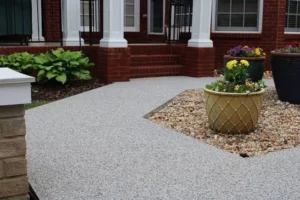
Resin driveways will still be in demand among homeowners looking for a mix of low maintenance, longevity and visual appeal in 2025. The great range of colour choices available in resin driveways gives opportunity to homeowners to match their driveways to the style of their house. The top resin driveway colour trends for 2025 are investigated in this article which offers ideas to guide your selection of the ideal shade for your house. Why Colour Choice Matters for Your Resin Driveway When it comes to resin driveways the general appearance and feel of your outdoor area is much shaped by color selection. The perfect shade can accentuate the style of your house, raise curb appeal, and even affect the size or cleanliness of your driveway. With 2025 introducing a fresh wave of color trends from bold contemporary tones to natural, earthy blends there’s never been a better opportunity to investigate the current alternatives and choose a shade that really complements your home. 1. Earthy Neutrals: Timeless and Versatile Neutral tones remain a favorite choice for resin driveways due to their timeless appeal and ability to blend seamlessly with various architectural styles. In 2025, expect to see a surge in warm beige, soft taupe and natural sandstone shades. These colours provide a sophisticated, understated look that complements both modern and traditional homes. Benefits: Complements a variety of architectural styles Provides a warm, welcoming feel Creates a seamless transition between outdoor and indoor spaces 2. Charcoal Grey and Graphite: Sleek and Modern For homeowners seeking a contemporary aesthetic, charcoal grey and deep graphite are leading choices in 2025. These shades offer a minimalist appearance, making them ideal for modern properties. The contrast between darker resin surfaces and lighter exterior walls creates a striking, high-end finish. Benefits: Pairs well with modern, monochromatic architecture Offers a low-maintenance appearance, effectively hiding dirt and tire marks Enhances visual appeal with lighting features for a high-contrast effect 3. Soft Greys and Cool Silvers: Subtle Elegance For those desiring a softer alternative to bold dark greys, cool silver and mid-tone greys are gaining traction. These hues offer a balanced look that’s neither too dark nor too light, making them perfect for homes that need a subtle, yet modern touch. Benefits: Ideal for both urban and countryside homes Provides a versatile, neutral base that won’t overpower surrounding features Works beautifully with metallic and glass accents in contemporary designs 4. Golden Honey and Warm Amber: Nature-Inspired Warmth Natural, golden tones are making a comeback as homeowners look for ways to blend their driveways and garden paths with the surrounding landscape. Golden honey, amber, and soft ochre hues are reminiscent of warm sandy beaches and countryside charm. Benefits: Harmonizes beautifully with gardens and outdoor greenery Creates a warm, inviting feel for pathways and patios Offers a great alternative to traditional stone or brick driveways 5. Pebble Mix and Multi-Tonal Finishes: Customized Aesthetics Bespoke colour blending is on the rise, allowing homeowners to mix different stone shades to create a multi-tonal effect. These surfaces incorporate a mix of greys, browns, creams, and even subtle hints of blue or green for a dynamic, textured appearance. Benefits: Adds depth and variation to driveways and patios Perfect for homeowners seeking a unique design Suitable for both modern and traditional properties 6. Deep Blue and Slate Hues: Bold Statements For those looking to make a statement, deep blue and slate grey hues are emerging as top choices in 2025. These shades add a unique, high-end feel to any surface while remaining highly practical for driveways and walkways. Benefits: Creates a striking contrast with greenery and outdoor lighting Less common than traditional neutrals, making it stand out Pairs well with modern homes and contemporary landscaping 7. Personalization and Customization: Reflecting Individual Style Homeowners are increasingly seeking unique and personalized driveway solutions to reflect their individual style. Custom designs, logos, and even family monograms are being incorporated into resin driveways, creating one-of-a-kind features. Furthermore, there’s a growing demand for bespoke finishes, ranging from smooth, polished surfaces to textured, anti-slip options. Benefits: Allows for creative expression and individuality Enhances the property’s curb appeal Offers options for both aesthetics and functionality 8. Sustainable Solutions: Eco-Friendly Choices Environmental consciousness is driving a demand for eco-friendly materials and sustainable practices. Homeowners are opting for resin driveways crafted from recycled materials and low-VOC resins, minimizing their environmental impact. Permeable resin driveways are also gaining traction, allowing rainwater to naturally drain through, reducing surface runoff and benefiting local ecosystems. Benefits: Reduces environmental footprint Complies with Sustainable Drainage Systems (SuDS) Contributes to LEED certification for properties 9. Smart Technology Integration: Modern Convenience Smart technology is increasingly being incorporated into driveway design. Motion-activated lighting enhances security and provides convenience, while smart sensors can monitor driveway conditions, such as ice formation or potential damage. These technologies offer homeowners greater control and peace of mind. Benefits: Enhances safety and security Provides real-time monitoring and alerts Integrates seamlessly with smart home systems 10. Curved and Flowing Designs: Organic Aesthetics Curved resin driveways are gaining popularity for their soft, natural appearance. These organic shapes can add a touch of elegance to your property and work particularly well in landscaped settings. The flexibility of resin allows for smooth curves that would be difficult to achieve with traditional materials. Benefits: Adds visual interest and softness to the landscape Enhances the property’s overall aesthetic Allows for creative and unique driveway designs Conclusion In 2025, resin driveway colours are all about personalization, sustainability, and integrating modern technology. Whether you prefer timeless neutrals, bold statements, or eco-friendly options, there’s a resin driveway colour trend to suit your style and needs. By embracing these innovations, homeowners can create driveways that not only enhance the curb appeal of their homes but also add value and contribute to a more eco-conscious future. FAQs Q: Are resin driveways durable? A: Yes, resin driveways are known for their durability, often lasting over 25 years with proper maintenance. Q: How do I maintain a resin driveway? A: Regular cleaning with

How to Make a Gravel Driveway Solid: Complete Guide to a Durable Gravel Surface

How to Make a Gravel Driveway Solid

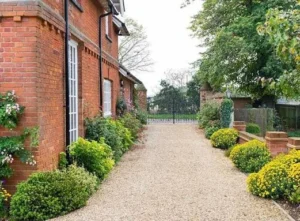
A reasonably priced, aesthetically pleasing gravel driveway would improve your property. But over time issues including erosion, washouts, and loose stones could cause your driveway to be unstable. This book will guide you through the best methods and tools for stabilisation, compaction, drainage, and long-term maintenance if you wish to build a gravel driveway solid. We will cover everything from starting fresh to looking to improve an existing gravel driveway from gravel driveway stabilisation techniques to how to stop gravel driveway washouts using professional and do-it-yourself approaches. Why Gravel Driveways Become Unstable Over Time Many homeowners face challenges keeping their gravel driveways solid and level. Common causes of instability include: Lack of proper road base for gravel driveways Inadequate drainage or sloping Use of the wrong gravel type No gravel driveway reinforcement grid or edging High traffic and weather-related wear Addressing these issues early with smart gravel driveway hardening methods will ensure a longer-lasting surface. Best Gravel for Solid Driveways Not all gravel is suitable for building a durable, low maintenance gravel driveway. Choosing the right materials is key. Crushed Stone vs. Pea Gravel Durability Crushed stone with angular edges locks together better than round pea gravel, reducing movement and creating a firmer surface. Pea gravel is more prone to shifting, making it less suitable for top layers unless stabilized. Stabilized Decomposed Granite Driveway Decomposed granite is a fine gravel option that, when mixed with stabilizers, creates a solid, compact surface perfect for both residential and commercial driveway stabilization. Gravel Driveway Binding Agents Using polymer-based or natural stabilizing binders can help solidify loose gravel surfaces without affecting water permeability. These agents are especially useful for environmentally friendly driveway stabilizers and rural driveway stabilization. Step-by-Step: How to Make a Gravel Driveway Solid and Long-Lasting Follow these steps for a firm, durable gravel driveway installation: 1. Clear and Grade the Surface Remove old gravel, vegetation, and debris. Create a gentle slope or crown using the gravel driveway crowning technique to promote runoff. 2. Lay Geotextile Fabric Install geotextile fabric for gravel driveways to prevent mixing with the soil beneath and to enhance structural integrity. 3. Apply a Compacted Road Base Spread 4–6 inches of crushed stone or gravel road base. Use a mechanical plate compactor to ensure firm support—one of the most effective driveway gravel compaction methods. 4. Add a Middle Gravel Layer Choose medium-sized gravel and compact it well. For extra support, add a gravel driveway reinforcement grid or a plastic grid for gravel driveway surfaces to lock the gravel in place and prevent rutting. 5. Top It Off with Fine Gravel Finish with a layer of small, angular gravel. Avoid round stones and always compact after spreading. Consider applying gravel driveway binding agents to reduce dust and improve firmness. Drainage and Erosion Control for Gravel Driveways Water is one of the biggest threats to driveway integrity. Proper gravel driveway drainage solutions are essential to long-term success. Install swales or French drains along the sides to direct water away. Crown the driveway to allow runoff to the edges. Use edging systems like timber, concrete, or steel to contain gravel. Add erosion control fabrics or barriers on slopes. Maintenance Tips to Extend Gravel Driveway Lifespan Even the most solid gravel driveway needs regular upkeep. Here’s a practical gravel driveway maintenance schedule: Monthly: Rake loose gravel back into place. Every 6–12 months: Re-grade, fill ruts, and compact gravel. As needed: Apply dust control for gravel driveways using water, dust suppressants, or recycled asphalt millings. Every few years: Consider gravel driveway resurfacing to refresh the surface and maintain appearance. Using proper gravel driveway regrading techniques can prevent the formation of potholes and ruts. DIY vs. Professional Gravel Driveway Stabilization While many homeowners prefer a DIY gravel driveway hardening approach, some driveways—especially long rural ones gravel driveways—may benefit from professional help. When to Use Commercial Driveway Stabilization Products Long, sloped, or high-traffic driveways Severe erosion or drainage issues Tar and chip driveway conversion projects Gravel driveways that require industrial binding agents If your driveway frequently requires repairs, investing in commercial-grade stabilization might offer a better long-term solution. Final Thoughts Making a gravel driveway solid calls for careful planning, materials, and continuous maintenance rather than only spreading stone. Applying tested methods including gravel driveway stabilisation, selecting the best gravel for solid driveways, and preserving appropriate drainage will help you create a surface that resists weather and wear. These techniques will increase longevity and lower future maintenance costs whether your preferred stabilised decomposed granite driveway, geotextile fabric, or gravel driveway reinforcement grid. Not only does a well-installed and maintained gravel driveway improve curb appeal, but over time it saves you time and money.